Separate the place from the objective
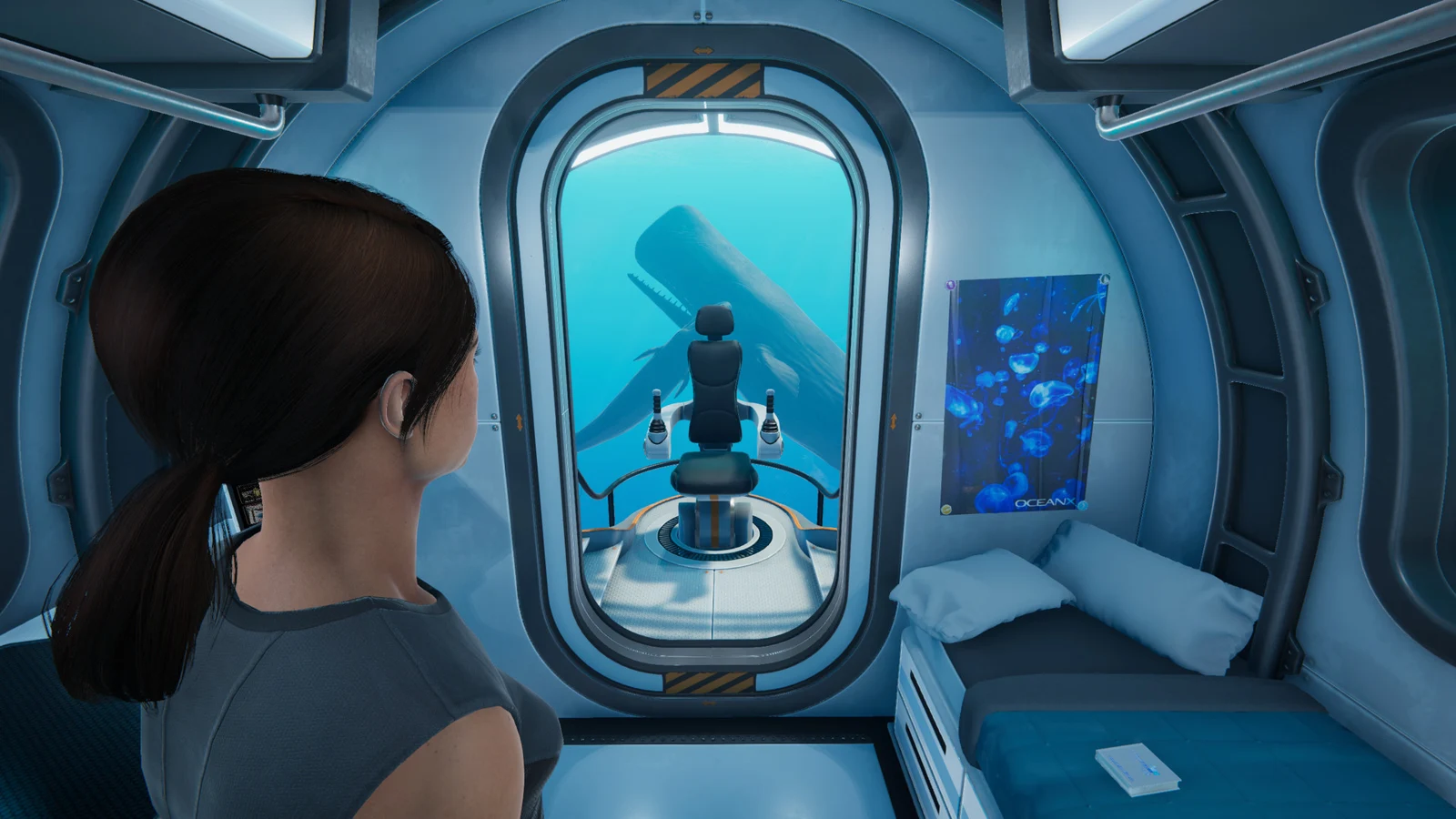
A reef can be visually dense: coral forms, plant life, open channels and moving creatures compete for attention. In Beyond Blue, first identify which mode you are visiting and what interaction it asks of you. The Tropical Reef is part of the later Activities and Theater offering, rather than a new Story or Free Dive location. That practical detail avoids building an observational plan around tools that the selected mode does not provide. The scene can still support a thoughtful visual page.
Draw a simple spatial map
Use an original three-part sketch rather than copying the screen in detail. Mark one bulky formation, one open route through the water and one place where movement attracts the eye. Label these as visual features rather than claims about real reef ecology. This makes the page useful even when the camera does not remain still. In Theater, the relationships will change as the camera moves; in a challenge, your attention may return to the marked task before you complete the sketch.
Compare scale without inventing measurements
You can describe an animal as appearing small beside a formation or dominating the frame without giving it an unsupported length. If the game supplies a species name, record that label distinctly from your visual impression. For example, an illustrative note could say that a ray's outline was easier to recognise against open water than against the reef texture. This is information about the picture. It does not establish the animal's real behaviour, population or preferred habitat.
Give the page a specific ending
Instead of a generic verdict that the reef is beautiful, choose the arrangement that made it memorable: a pale passage behind a dark foreground, a creature cutting across a broad silhouette or a camera route that revealed another layer. Such details make the journal useful for planning a future viewing session. They also produce more individual captions than repeating a disclaimer beneath every image. Keep the practical mode information in the guide and let the visual description actually describe the scene.